





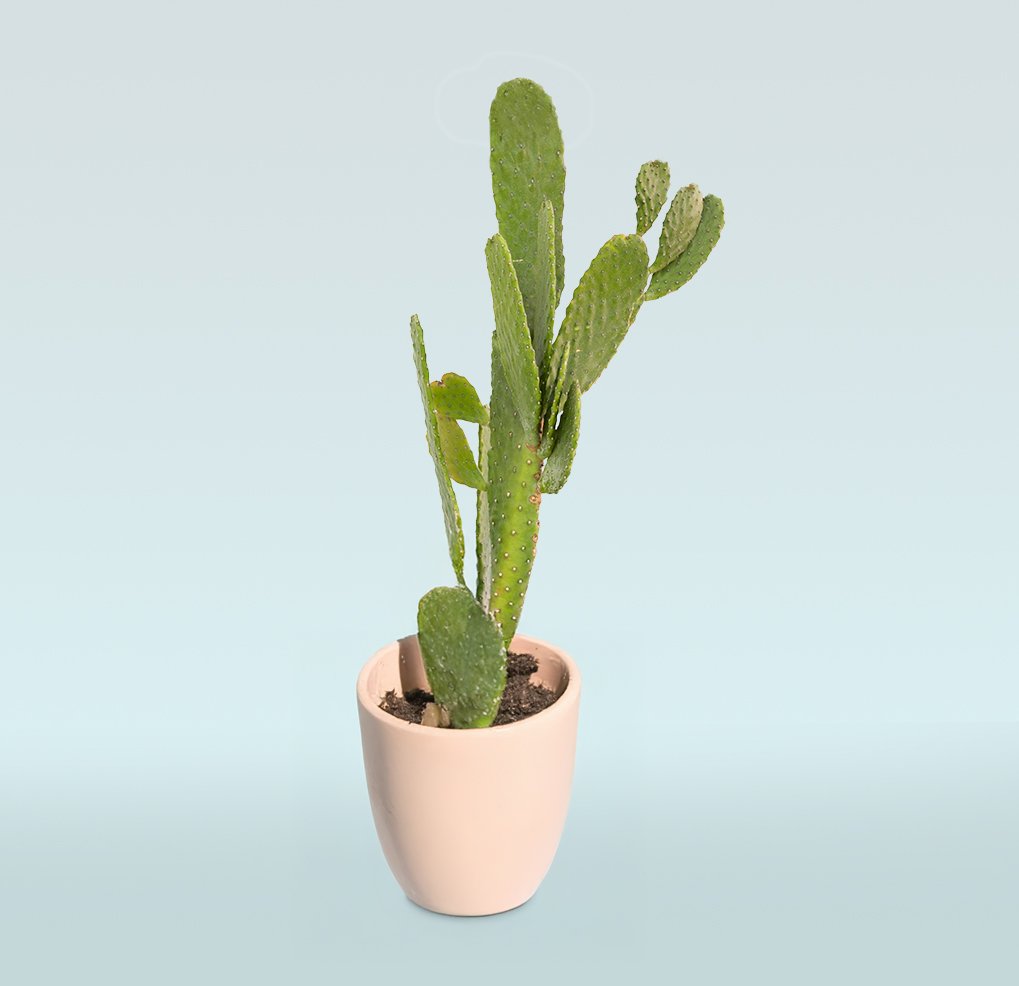
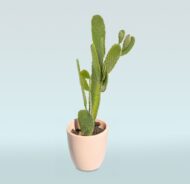
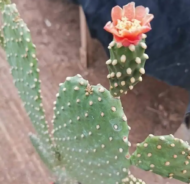
The Opuntia Consolea, commonly known as the Road Kill Cactus, is a unique species in the Consolea genus, closely related to the Opuntia family. Its nickname comes from its flattened, paddle-like stems that resemble a squashed cactus.
Key Features of Opuntia Consolea (Road Kill Cactus)
-
Scientific Name: Consolea rubescens
-
Family: Cactaceae
-
Native Habitat: Caribbean, especially in Cuba, Haiti, and the Dominican Republic
-
Growth Form: A tree-like cactus that can grow up to 20 feet (6 meters) tall
-
Stems & Pads:
-
Extremely thin, flat, and elongated compared to typical Opuntia species
-
Green to bluish-green in color
-
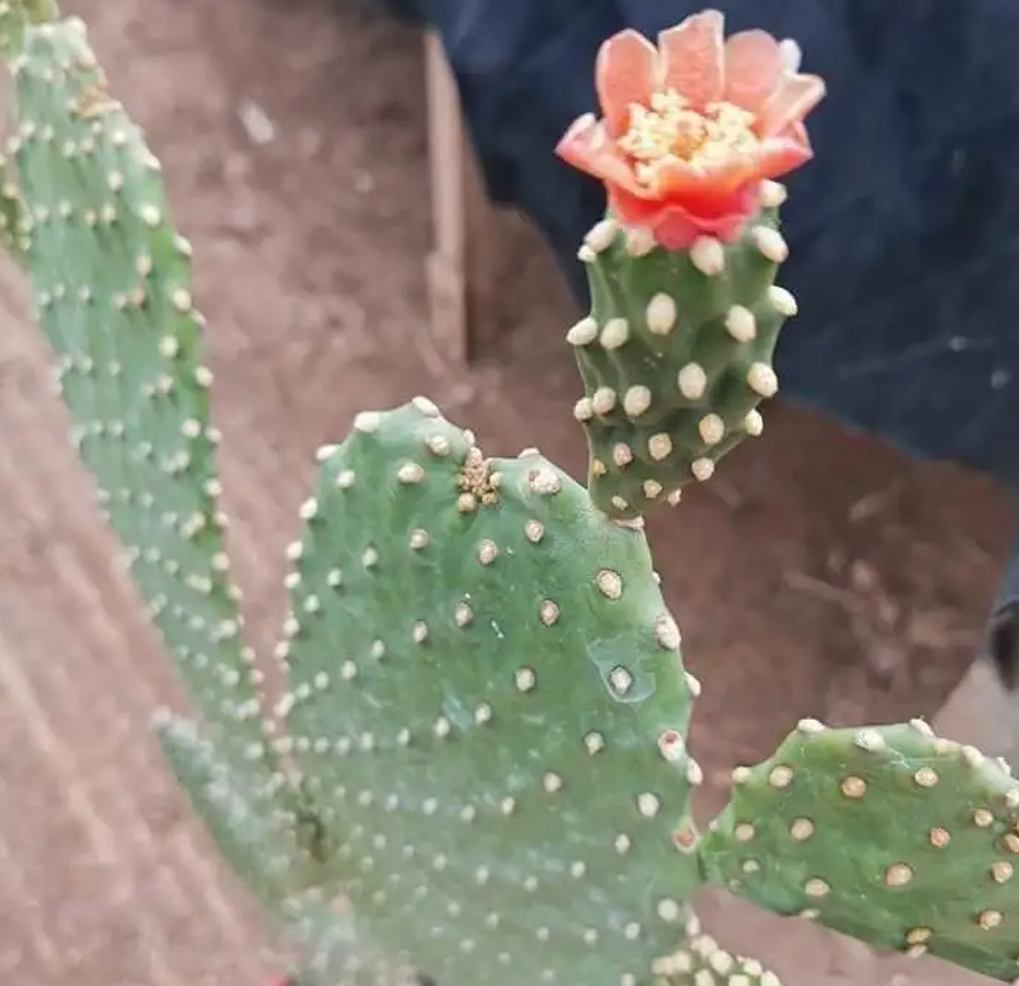
Few visible spines but may have tiny glochids (hair-like spines)
-
-
Flowers:
-
Vibrant red, pink, or orange flowers
-
Blooms in warm months, attracting pollinators
-
-
Fruits: Small, round, and reddish when ripe, but less prominent than traditional prickly pears
Care & Growing Conditions
🌞 Light: Prefers full sun for best growth
🌱 Soil: Well-draining cactus mix or sandy soil
💧 Watering: Drought-tolerant, water only when the soil is dry
🌡️ Temperature: Thrives in warm climates, not frost-hardy
🌿 Propagation: Easily propagated from cuttings of its pads
Uses & Importance
-
Ornamental plant due to its unique appearance
-
Drought-resistant landscaping in arid climates
-
Wildlife habitat providing shelter for small animals and insects